Wobbly Pets is a physics-based walking game where you control a clumsy little pet trying to walk on two legs for as far as possible. At first, it sounds ridiculously easy — just walk forward, right? That’s exactly what I thought before I started playing. But after my pet face-planted for the tenth time in a row, I quickly realized this game is way harder than it looks.
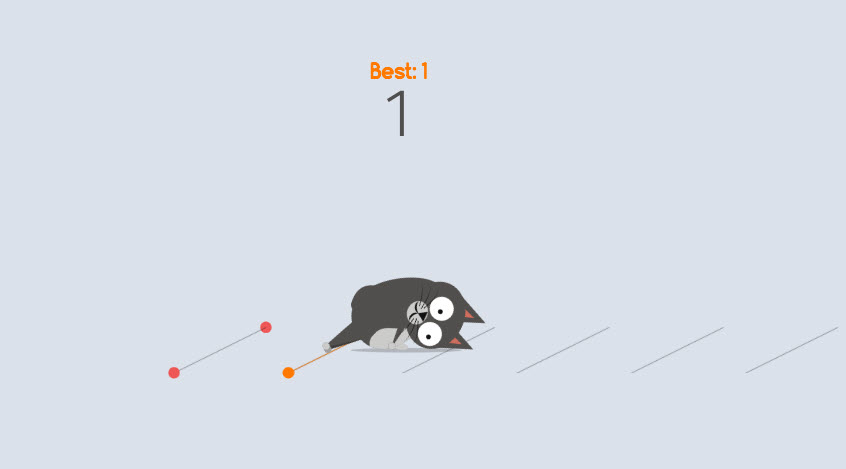
What I really enjoy about Wobbly Pets is how unpredictable everything feels. Unlike most walking games, where movement is smooth and automatic, here you actually have to think about every single step. In the beginning, even moving a few meters feels like a huge achievement. I remember struggling just to stay upright for more than five seconds.
As you keep playing, though, your coordination slowly improves. The controls begin to feel more natural, and you start developing your own rhythm. Even when you fail, the goofy animations and dramatic falls make it hard to get frustrated. Most of the time, I just end up laughing and trying again immediately.
The game's physics system is among its best features. Every attempt feels different because of how clumsy and floppy the pets' movements are. Unexpected mishaps can still occur regardless of your level of caution, which keeps the action interesting and engaging.
The game is also great for short play sessions. I often tell myself I’ll only play for a few minutes, but then I keep retrying because I want to beat my previous distance. That “just one more try” feeling is what makes the game surprisingly addictive.
A Key / Left Arrow – Move the left leg
D Key / Right Arrow – Move the right leg
Alternate the keys steadily – Helps your pet stay balanced
Press too fast – Your pet will probably trip and fall
Keep a consistent rhythm – The best way to move smoothly and efficiently
The biggest mistake beginners make is button spamming. I did this constantly when I first started playing, and it never worked. A smooth, consistent rhythm is much more effective and helps your pet stay balanced.
Don't rush anything. When learning how physics works, it's best to start gently. You can gradually increase your speed without losing control once you're at ease.
If your pet starts leaning too far forward or backward, slow down your inputs for a moment. Recovering balance is much easier than trying to save a full collapse.
Once your pet gains stable momentum, avoid pressing the keys too aggressively. Keeping a calm pace actually helps you move farther with fewer mistakes.
Rapid responses are crucial because different surfaces and levels might impact mobility. A small change made at the correct time might sometimes salvage your entire run.